
Breast tissue preservation · Preservé
Breast tissue preservation: Compare practices from our network
Tissue-preserving augmentation aims to place an implant while protecting the breast's own muscle, nerves, and support structures.
Our network
Breast tissue preservation providers from Adoreal's partner network.

London · United Kingdom
iQonic Aesthetics
Breast tissue preservation techniques offered alongside standard augmentation and Mia Femtech.
London · United Kingdom
iQonic Aesthetics
Breast tissue preservation techniques offered alongside standard augmentation and Mia Femtech.
Ready to see who performs breast tissue preservation near you?
Compare ProvidersDecision support
How to choose a tissue preservation surgeon
Board certification is the starting point. The details below are worth weighing carefully when you're choosing the surgeon who's right for your goals.
Here's what to look for before you decide:
A good surgeon can explain what is being preserved, and why it matters.
The technique aims to protect the pectoral muscle, nerves, and the breast's natural support structures. A surgeon who explains which structures they preserve and what difference that makes to sensation and recovery understands the rationale.
Specific training in the technique is the relevant credential.
This is a defined approach with its own training pathway. Ask what they completed, when, and how many cases they have performed since. General breast surgery experience is not the same thing.
Honest framing of the evidence is a good sign.
Tissue preservation is a relatively recent approach, and long-term comparative data is still developing. A surgeon who describes the expected benefits without overclaiming is being straight with you.
They should tell you if you are not a candidate.
The technique suits particular anatomy. Where there is significant skin laxity or a need for a lift, a different approach may serve you better. A surgeon who says so is prioritizing your result.
Transparency about your plan and expectations is non-negotiable.
Your surgeon should be comfortable documenting the technique, implant details, incision, and expected recovery week by week, and sharing that with you in writing.
Before your consultation, prepare this question
“How many tissue-preserving augmentations have you performed, and what training did you complete?”
For a technique-led treatment, specific training and case numbers matter more than general breast surgery experience.
Find a Breast Tissue Preservation ProviderAbout the treatment
About breast tissue preservation
Breast tissue preservation describes surgical approaches to augmentation that aim to minimize disruption to the breast's own anatomy. Rather than dividing the pectoral muscle, the implant is placed in a way intended to protect muscle, nerves, and natural support.

What is tissue preservation?
Conventional augmentation often involves dividing part of the pectoral muscle to create a pocket for the implant. Tissue-preserving techniques aim to avoid that, placing the implant while leaving the muscle, its nerve supply, and the breast's natural support structures as intact as possible.
The intended benefits are a more natural feel and movement, better preserved sensation, and a more comfortable recovery. It is an approach rather than a product, and it is offered under names including Preservé.
What it aims to protect
The technique focuses on leaving key structures undisturbed:
– The pectoral muscle, left intact rather than divided, which affects both movement and comfort.
– Nerve supply, supporting preservation of nipple and breast sensation.
– Natural support structures, the ligaments and tissue that hold the breast in position.
– Milk ducts, relevant where future breastfeeding is a consideration.
Are you a candidate?
Tissue preservation suits people seeking augmentation with sufficient natural tissue and reasonable skin quality. Your surgeon may recommend a different approach if you:
– Have significant skin laxity and need a lift as well as volume
– Have very thin tissue cover, where a different plane may serve better
– Are having revision surgery with an existing capsule to address
– Are seeking a size that your tissue cannot reasonably support
– Smoke, which impairs healing regardless of technique
The treatment, step by step
01 Consultation. Measurement and examination, with particular attention to tissue thickness and skin quality, and a discussion of whether this technique suits you.
02 Preparations. Medical evaluation, medication adjustments, stopping smoking, and arranging support at home.
03 Anesthesia. Usually general anesthesia, though some minimally invasive variants can be performed under local anesthesia or sedation.
04 Creating the pocket. The implant pocket is created without dividing the pectoral muscle, working to keep nerves and natural support structures intact.
05 Implant placement. The implant is positioned and its details recorded, with sizing chosen to suit the preserved tissue rather than stretch it.
06 Closing. Incisions are closed to minimize scarring, and support dressings or a surgical bra are fitted.
Recovery and aftercare
Because the muscle is not divided, patients often report less post-operative discomfort and a quicker return to normal movement than with conventional sub-muscular augmentation.
– Wear the recommended support bra as directed
– Avoid chest exercise and heavy lifting in the early weeks
– Expect a shorter, more comfortable recovery than sub-muscular placement, though not no recovery
– Attend follow-ups so implant position and healing can be checked
– Keep your implant documentation somewhere you can find it
Final shape settles over several weeks to months as swelling resolves.
Risks and considerations
Tissue preservation is still breast augmentation, and it carries the risks common to all implant surgery:
– Capsular contracture, where scar tissue around the implant tightens.
– Rupture or leakage, uncommon, and monitored through follow-up.
– Rippling or palpability, a particular consideration where tissue cover is thin.
– Changes in sensation, which the technique aims to reduce but cannot eliminate.
– Need for revision, as implants are not lifetime devices.
– Infection, bleeding, or reaction to anesthesia.
Long-term comparative data on tissue-preserving techniques is still developing. Ask your surgeon what the evidence currently supports rather than relying on marketing claims.
Common questions
Breast tissue preservation questions, answered.
If your question isn't here, ask us directly. A real person answers, and we won't push you toward anything.
Talk to us →What is actually being preserved?
Principally the pectoral muscle, which is not divided, along with nerve supply and the breast's natural support structures. Your surgeon should explain what that means for your sensation and recovery.
Is recovery really easier?
Patients often report less discomfort and a faster return to normal movement than with conventional sub-muscular augmentation, because the muscle is not cut. It is still surgery with a real recovery.
Is it better than standard augmentation?
It offers specific advantages for suitable patients, particularly around comfort and sensation. Long-term comparative data is still developing, so be cautious of any claim presented as settled.
Will it protect my ability to breastfeed?
The technique aims to leave milk ducts undisturbed, which may help. Breast surgery of any kind carries some risk to this ability, so raise it explicitly with your surgeon if it matters to you.
Am I a candidate?
It suits people with sufficient natural tissue and reasonable skin quality. Significant laxity, very thin tissue cover, or a need for a lift may point toward a different approach.
What is Preservé?
One of the named tissue-preserving approaches, used with Motiva implants and offered by several practices in our network. Your surgeon will explain the specific technique they use.
Does it still use an implant?
Yes. Tissue preservation describes how the implant is placed, not an alternative to having one. Fat transfer is the separate option where no implant is wanted.
Will I still need revision eventually?
Possibly. Implants are not lifetime devices regardless of technique, so exchange or removal may eventually be needed. Regular follow-up matters.
Can it be combined with a lift?
Where laxity is significant, a lift may be needed, and your surgeon will advise whether the preserving technique remains appropriate alongside it.
How do I check a surgeon's experience?
Ask what specific training in the technique they completed, when, and how many cases they have performed since. General breast surgery volume is a different question.

Related treatments

Breast augmentation
The broader treatment this technique sits within.

Motiva implants
The implant system often used with Preservé.

Breast lift
Raises and reshapes, sometimes combined with implants.

Breast reduction
Reduces size and relieves physical discomfort.

Mommy makeover
Combines breast and body treatments after pregnancy.
More on breast tissue preservation.
Article
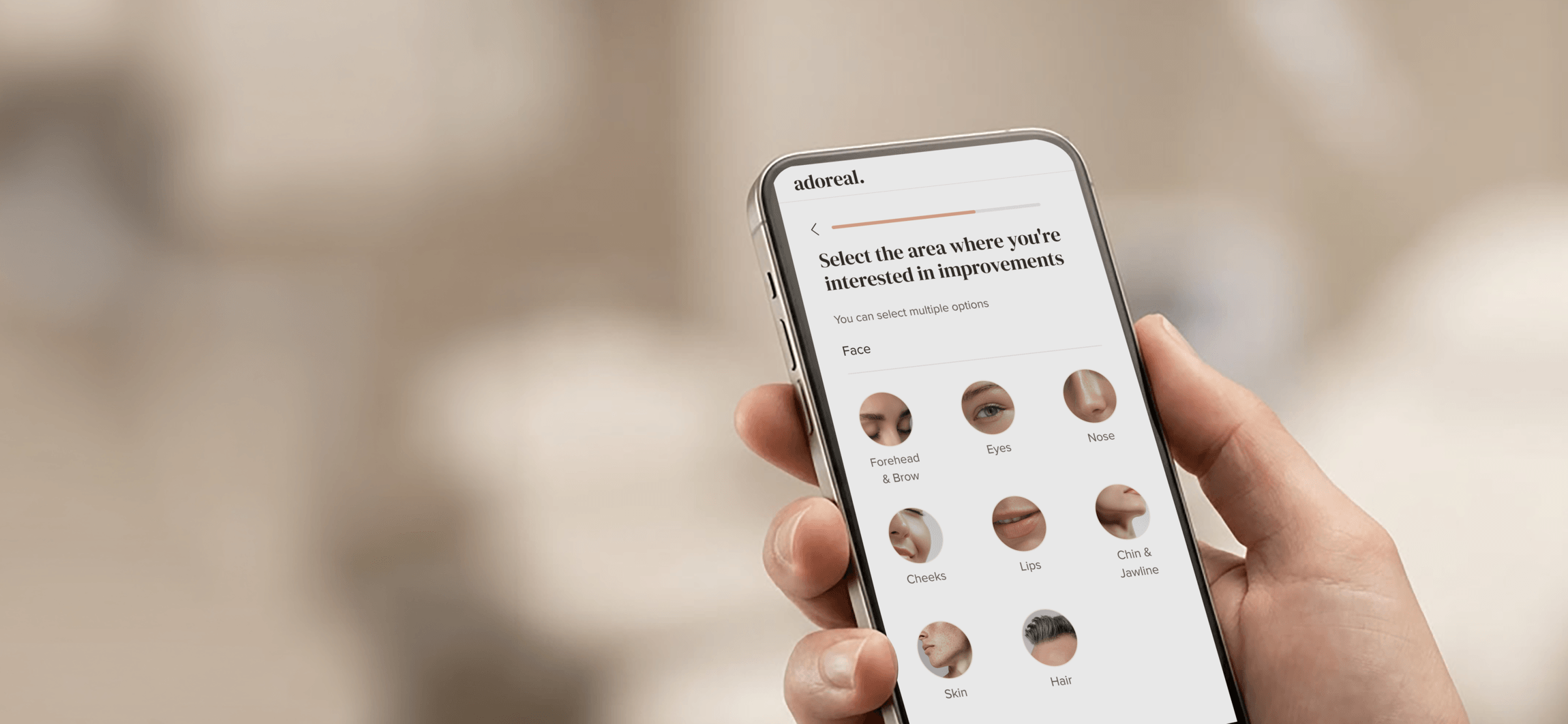
Adoreal: your personal guide through breast tissue preservation
As a central platform built to make the aesthetic journey easier, Adoreal helps you feel confident, informed and in control of your choices.
Article
Before breast tissue preservation
Considering breast tissue preservation? Discuss these 10 key questions with your surgeon, covering recovery, risks, enhancement options and long-term care.
Article
Consumer-led breast tissue preservation
One of the newer techniques gaining attention is breast tissue preservation, an approach that preserves natural tissue for a more subtle and authentic result.