
Breast augmentation
Breast augmentation: Compare practices from our network
Breast augmentation enlarges and reshapes the breasts using implants or fat transfer. It is a proportion decision as much as a size one.
Our network
Breast augmentation providers from Adoreal's partner network.

London · United Kingdom
iQonic Aesthetics
Standard silicone augmentation alongside Mia Femtech and tissue-preservation techniques.
London · United Kingdom
iQonic Aesthetics
Standard silicone augmentation alongside Mia Femtech and tissue-preservation techniques.
Ready to see who performs breast augmentation near you?
Compare ProvidersDecision support
How to choose a breast augmentation surgeon
Board certification is the starting point. The details below are worth weighing carefully when you're choosing the surgeon who's right for your goals.
Here's what to look for before you decide:
A good surgeon sizes to your frame, not to a cup size.
Chest width, existing tissue, and skin elasticity decide what will look right on you. A surgeon worth trusting measures, uses sizers or 3D imaging, and talks in proportion rather than cup letters. If the conversation starts and ends with a number, that is what to press on before you book.
Implant placement should be explained, not assumed.
Under the muscle or over it changes how the result looks, feels, and moves, and how long recovery takes. Ask which they recommend for your anatomy and why. A clear, specific answer is a sign the plan is yours rather than a default.
The best surgeons raise revision before you do.
Implants are not lifetime devices, and capsular contracture, rippling, and asymmetry are real. A surgeon who explains the long-term picture openly, including what a future exchange involves, respects your ability to decide with full information.
Transparency about your plan and expectations is non-negotiable.
Your surgeon should be comfortable documenting the implant type, size, profile, placement, incision, and what recovery looks like week by week, and sharing that with you in writing.
Before your consultation, prepare this question
“How did you arrive at this implant size for my frame, and what would you do if I am unhappy with it?”
A surgeon who answers directly, rather than deflecting, is one who puts your outcome above the booking.
Find a Breast Augmentation ProviderAbout the treatment
About breast augmentation
Breast augmentation is one of the most common cosmetic treatments worldwide, performed both after mastectomy and for cosmetic reasons. It enhances shape and volume, and can restore symmetry, improve proportions, and support greater confidence.
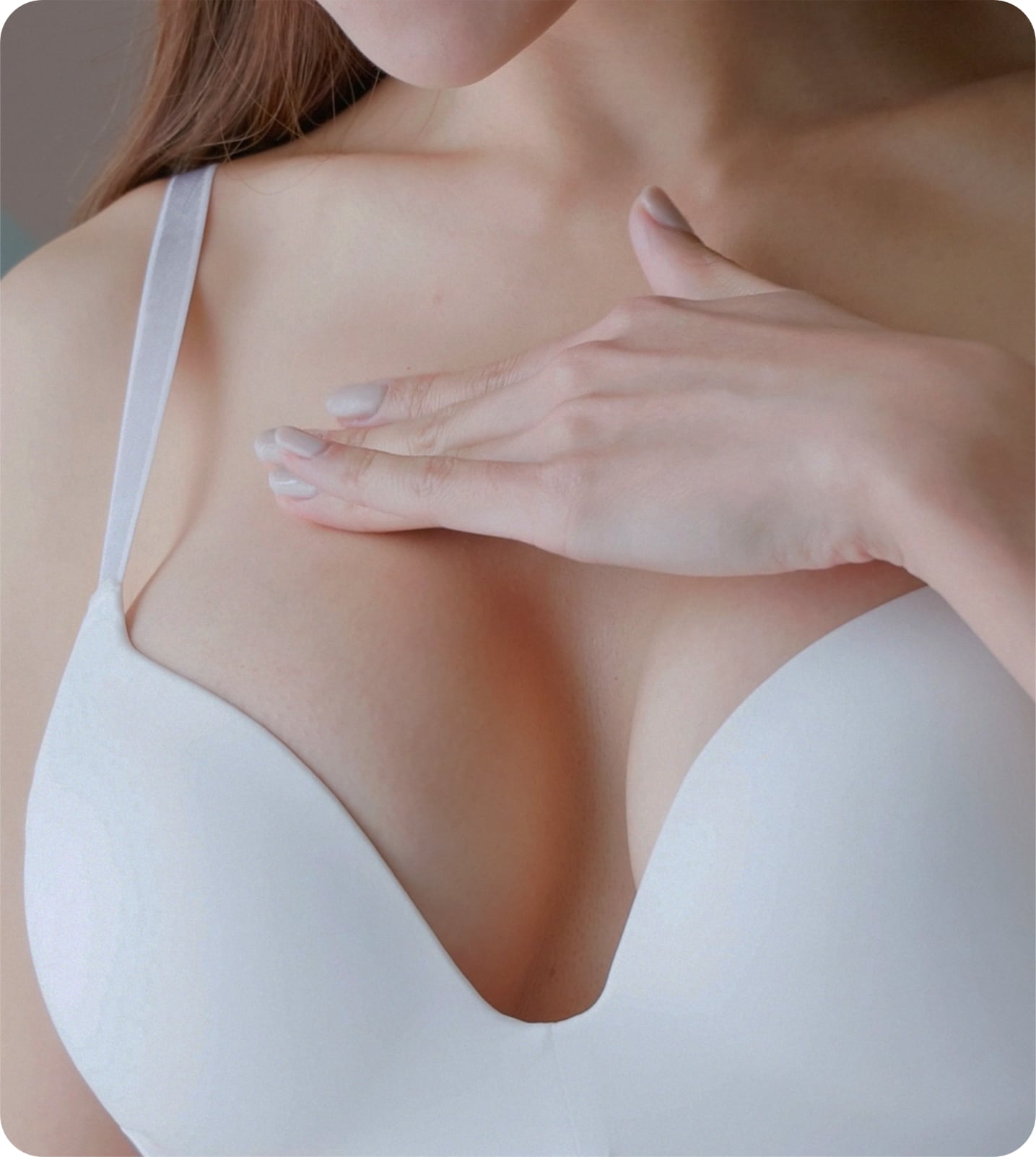
What is breast augmentation?
Breast augmentation enlarges and enhances the breasts using implants or fat transfer. It can be tailored to create a modest increase in size or a more significant change, and it is often combined with a lift where skin laxity is a factor.
The treatment changes size, shape, and symmetry. It does not lift a breast on its own, and it will not stop the effects of aging, pregnancy, or weight change.
Implant types
There are two primary types of implant, each with its own characteristics:
Saline implants are filled with sterile salt water. They are inserted empty and filled in place, allowing a smaller incision, and provide a uniform shape and firmness.
Silicone implants are pre-filled with a cohesive gel that closely mimics the feel of human fat, and most patients find they look and feel closer to natural breast tissue.
Choosing your size
The appropriate implant size depends on your body frame, existing breast tissue, skin elasticity, and personal preference. Surgeons often use sizers placed inside a bra to give an idea of the result, and 3D imaging can show how different sizes might look on your own body.
The right choice is one that is proportionate and comfortable to live with, and that complements your overall body shape rather than fighting it.
The treatment, step by step
Medical evaluation. A thorough assessment of your health and goals. The surgeon examines your breasts, takes measurements, and may take photographs for your record.
Anesthesia. Usually general anesthesia. Minimally invasive approaches such as Mia Femtech can be performed under local anesthesia or sedation.
Incision. Typically inframammary (under the breast fold), periareolar (around the nipple), or transaxillary (in the armpit). You and your surgeon decide together based on implant type and your anatomy.
Placement. The implant is positioned either under the pectoral muscle, which can reduce visibility but lengthen recovery, or directly behind the breast tissue, often chosen for natural movement and a shorter recovery.
Closing. Incisions are closed with sutures, skin adhesive, or surgical tape, with care taken to minimize scarring. The area is then supported with bandages or a surgical bra.
Recovery and aftercare
Swelling, soreness, and some discomfort are normal in the first days and can be managed with prescribed medication. Your surgeon will provide guidance on incision care, post-operative garments, and activity limits.
- Wear the recommended support or surgical bra
- Avoid strenuous activity and heavy lifting in the early weeks
- Attend follow-ups so healing and implant position can be checked
- Expect complete healing and final results to take several weeks to months
Potential risks and side effects
Breast augmentation is generally safe and most patients are happy with their results, but like any surgery it carries risks:
- Capsular contracture, where scar tissue tightens around the implant
- Implant rupture or leakage
- Changes in nipple or breast sensation
- Breast pain
- Asymmetry or dissatisfaction with size or shape
- Infection, bleeding, or reaction to anesthesia
Common questions
Breast augmentation questions, answered.
If your question isn't here, ask us directly. A real person answers, and we won't push you toward anything.
Talk to us →Silicone or saline, which should I choose?
Silicone is pre-filled with a cohesive gel and generally feels closer to natural tissue. Saline is filled once in place, allowing a smaller incision, and gives a firmer, more uniform feel. Your anatomy and how much natural tissue you have will influence which suits you.
Over or under the muscle?
Under the muscle can reduce implant visibility and rippling, especially with less natural tissue, but recovery is usually a little longer. Over the muscle often moves more naturally and recovers faster. Your surgeon should recommend one based on your tissue, not habit.
How long do implants last?
Implants are not lifetime devices. Many last well beyond ten years, but replacement or revision may eventually be needed. Regular follow-up allows any change to be picked up early.
Will I be able to breastfeed afterward?
Many people can, particularly where the incision avoids the areola and the milk ducts are undisturbed. This varies by individual, so tell your surgeon if future breastfeeding matters to you.
Does augmentation lift the breast?
No. Augmentation adds volume; it does not raise the nipple position. Where there is meaningful skin laxity, a lift is usually combined with implants to achieve both shape and position.
Where will the scar be?
Most commonly in the breast fold, around the areola, or in the armpit. Each hides the scar differently, and your surgeon will explain which suits your implant choice and anatomy.
What is capsular contracture?
Scar tissue naturally forms around any implant. Occasionally it tightens and firms the breast, changing shape or causing discomfort. It is one of the more common reasons for revision surgery.
When can I exercise again?
Light walking is encouraged early. Most surgeons advise avoiding chest exercise and heavy lifting for around six weeks, with a gradual return guided by your recovery.
What about mammograms and screening?
Tell the radiographer you have implants, as additional views may be needed. Your surgeon will discuss ongoing imaging and monitoring at consultation.
Can I combine it with other treatments?
Yes. Augmentation is often combined with a lift, or with body treatments as part of a mommy makeover. Combining affects anesthesia time and recovery, so discuss the trade-offs at consultation.

Related treatments

Breast lift
Raises and reshapes the breast, often combined with implants.

Breast reduction
Reduces size and relieves physical discomfort.

Mia Femtech
Minimally invasive augmentation under local anesthesia.

Motiva implants
Next-generation implants used across our network.

Breast tissue preservation
Techniques that protect the breast's natural support.
More on breast augmentation.

Article
What to expect post-op breast augmentation
It is a time when the body has adjusted to the implants, and they begin to settle into their final position. We walk you through the recovery stages.

Article
What is the cost of breast augmentation?
The cost usually includes the surgery itself, consultations, anesthesia, and post-operative care. For an accurate estimate, contact the practice you have chosen.
Article
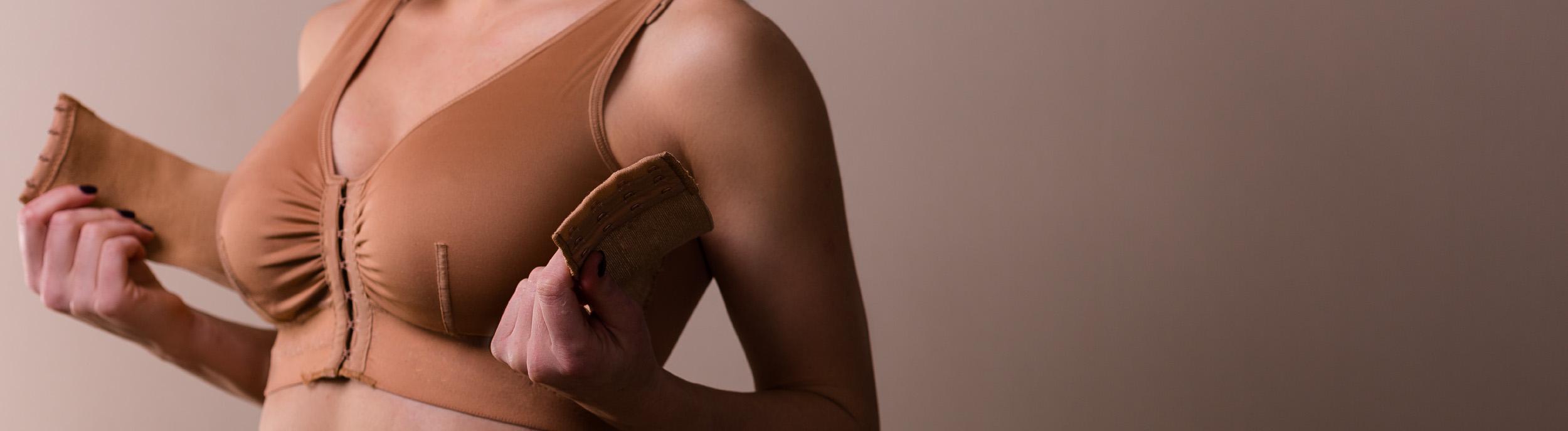
Wearing a compression bra after breast augmentation
A supportive compression bra helps your breasts heal and the implants settle properly. Skipping it can lead to increased swelling, discomfort, and positioning issues.