
Liposuction
Liposuction: Compare practices from our network.
Liposuction removes stubborn, diet-resistant fat and reshapes specific areas of the body. It is not a weight-loss treatment.
Our network
Liposuction providers from Adoreal's partner network.

15 Harley Street, London W1G 9QQ · United Kingdom
iQonic Aesthetics
Surgeon-led boutique practice; standard liposuction across body areas as part of its body surgery menu.
15 Harley Street, London W1G 9QQ · United Kingdom
iQonic Aesthetics
Surgeon-led boutique practice; standard liposuction across body areas as part of its body surgery menu.
Ready to see who performs liposuction near you?
Compare ProvidersDecision support
How to choose a liposuction surgeon
Board certification is the starting point. The details below are worth weighing carefully when you're choosing the surgeon who's right for your goals.
Here's what to look for before you decide:
A good liposuction surgeon plans around your overall proportions.
A surgeon worth trusting talks through how your treated areas will look together, and explains that plan before talking about technique. If a consultation stays focused only on volume removed rather than your outcome, that's what to look for in a liposuction surgeon before you book.
Consistency matters more than the number of areas they treat.
Ask how your surgeon specifically approaches liposuction, including whether they use traditional, wet, or ultrasound-assisted techniques like VASER. A surgeon who performs liposuction as a core part of their practice has a clear, repeatable process tailored to each area they treat.
The best liposuction surgeons talk about contour irregularities before you ask.
Unevenness, asymmetry, and small dents are the most common liposuction consultation questions patients wish they'd asked sooner. A surgeon who raises this openly, and explains exactly how they minimize it, is one who respects your ability to decide with full information.
Transparency about your plan and expectations is non-negotiable.
Your surgeon should be comfortable documenting which areas will be treated, the technique used, and what liposuction recovery support looks like week by week, and sharing that with you in writing.
Before your consultation, prepare this question
“What happens if my results come out uneven, and how would you fix it?”
A surgeon who answers directly, rather than deflecting, is one who puts your outcome above the booking.
Find a Liposuction ProviderAbout the treatment
About liposuction
Liposuction targets specific areas where fat tends to accumulate: the stomach, thighs, hips, arms, neck, and buttocks. It is not a weight-loss method. It is a way to shape areas that do not respond to diet and exercise.

What is liposuction?
Liposuction targets specific areas where fat tends to accumulate: the stomach, thighs, hips, arms, neck, and buttocks. It contours the body by removing stubborn fat that has not responded to diet or exercise.
It is not a weight-loss method. It shapes areas that diet and exercise don't reach, and it does not remove stretch marks, cellulite, or excess skin.
Benefits
Removing stubborn fat can have both physical and emotional benefits, including:
– A more defined body shape
– Increased confidence and improved body image
– Balanced proportions
– Easier to find well-fitting clothes
– Minimally invasive, with little to no visible scarring
Are you a candidate?
Liposuction suits people near their ideal weight who are struggling with stubborn fat that has not responded to diet or exercise. You should also:
– Have realistic expectations
– Be in good overall health
– Have no conditions that could impair healing
– Be a non-smoker, or be willing to quit
The treatment, step by step
01 Consultation. A surgeon evaluates your concerns, explains what liposuction can realistically achieve, and builds a personalized plan based on your body type and goals, alongside your medical history and preferences.
02 Preparations. You may be asked to stop certain medications such as aspirin or other blood thinners several weeks before surgery, arrange a ride home afterward, avoid smoking for several weeks before and after, and follow specific dietary guidelines.
03 Anesthesia. Liposuction is usually performed under general anesthesia. For smaller treatments, local anesthesia or sedation may be an option.
04 Surgery. The surgeon makes small, strategic incisions in the targeted areas. A thin tube loosens the excess fat, which is then suctioned out using a surgical vacuum or syringe attached to the cannula.
Wet technique. A solution containing saline, anesthetic, and a drug that constricts blood vessels is injected into the fat before removal. This reduces blood loss, provides pain relief, and makes fat easier to remove while minimizing discomfort and bruising.
Dry technique. This method skips fluid injection before fat removal. It carries a higher risk of bruising and blood loss, so it is rarely used today, though it may still suit small areas or precise adjustments. Your surgeon will discuss the right approach for you.
Recovery and aftercare
Following aftercare instructions closely supports healing and a smoother recovery. After surgery, you will typically be advised to:
– Wear compression garments to reduce swelling and support healing
– Limit physical activity for the first few weeks
– Attend scheduled follow-up visits to monitor progress
– Watch for signs of infection or complications
Results start to become visible within a few weeks as swelling decreases, with continued improvement over the following months. The final outcome is typically seen after three to six months, once the body has fully healed. Maintaining results over time depends on regular exercise, a balanced diet, and following post-operative care instructions.
Potential risks and complications
Liposuction is generally safe, but like any surgery, it carries risks. Discuss how they apply to you, and how to minimize them, with your surgeon during consultation. Possible risks include:
– Infection at the incision sites
– Excessive bleeding
– Uneven body contours
– Seromas, or fluid buildups
– Temporary numbness in the treated area
– Adverse reaction to anesthesia
– Permanent changes in skin sensation
Expected side effects
Side effects are a normal part of healing and usually fade within weeks or months.
Bruising, caused by the cannula's movement under the skin, typically fades within a few weeks.
Swelling, a normal reaction that can last several weeks and gradually decreases over time.
Pain and discomfort, most noticeable in the first few days and usually managed with prescribed pain relief.
Temporary numbness, from nerve irritation or minor damage during surgery, typically resolving over a few months.
Soreness and tenderness, similar to muscle soreness after intense exercise.
Limited mobility, depending on the areas treated.
Small scars, varying based on individual healing and how closely aftercare is followed.
Expected side effects
When to seek medical attention
- Fever, or signs of infection at an incision site such as increasing redness, warmth, or discharge
- Severe or worsening pain that is not controlled by prescribed medication
- Significant swelling in one area, or shortness of breath
- Excessive bleeding from an incision site
Contact your surgeon's practice directly, or seek emergency care, if you experience any of the above.
Common questions
Liposuction questions, answered.
If your question isn't here, ask us directly. A real person answers, and we won't push you toward anything.
Talk to us →What is the difference between liposuction and a tummy tuck?
Liposuction removes fat to reshape an area. A tummy tuck removes excess skin and tightens the abdominal wall. If loose skin is your main concern, liposuction alone will not address it, and the two are often planned together.
Can I have liposuction if I'm not near my ideal weight?
Liposuction is designed for stubborn fat in people close to a stable weight, not for weight loss. Most surgeons will ask you to reach a steady weight first, because results are more predictable and easier to maintain.
How much fat can be removed?
Safe limits are set by your surgeon and the facility, and depend on the areas treated and your health. The aim is a proportionate contour, not a maximum volume, so a good plan focuses on shape rather than volume removed.
What is the difference between the wet and dry technique?
The wet technique injects a solution before fat removal to reduce blood loss and bruising, and is the common approach today. The dry technique skips that step, carries more bruising and blood loss risk, and is used rarely, usually for small areas.
What does recovery look like?
Most patients resume daily activities after about a week, wearing compression garments and limiting strenuous activity for the first few weeks. Swelling settles over the following months, and many return to full activity by around six weeks.
Will the result look natural, or can it leave dents?
Contour irregularities, small dents, and asymmetry are the most common concerns, and they are why technique and planning matter. Ask your surgeon directly how they minimize unevenness and what they would do to correct it.
Does liposuction remove cellulite or loose skin?
No. Liposuction treats fat, not skin quality. It does not remove cellulite, stretch marks, or excess skin, and where skin laxity is the issue a skin-tightening treatment is the better fit.
Do results last if I regain weight?
The treated fat cells are gone, but remaining fat cells can still enlarge. If you gain significant weight afterward, your shape will change, so results hold best alongside a stable weight and regular activity.
What are the most common risks?
Infection, excessive bleeding, uneven contours, fluid buildup (seromas), temporary numbness, and reaction to anesthesia. Permanent changes in skin sensation are rare. Your surgeon will review how each applies to you.
Can liposuction be combined with other treatments?
Yes. It is frequently combined with a tummy tuck, a Brazilian butt lift, or a wider body contouring plan. Combining treatments affects anesthesia time and recovery, so discuss the trade-offs at consultation.

Related treatments

Tummy tuck
Removes excess skin and tightens the abdominal wall, often planned alongside liposuction.

Brazilian butt lift
Uses fat removed by liposuction to enhance shape elsewhere.

Body sculpting and contouring
Surgical and non-surgical options for reshaping the body.

Mommy makeover
A combined treatment plan for post-pregnancy body changes.

Excess skin removal
For skin laxity that liposuction alone cannot address.
More on liposuction.
Article
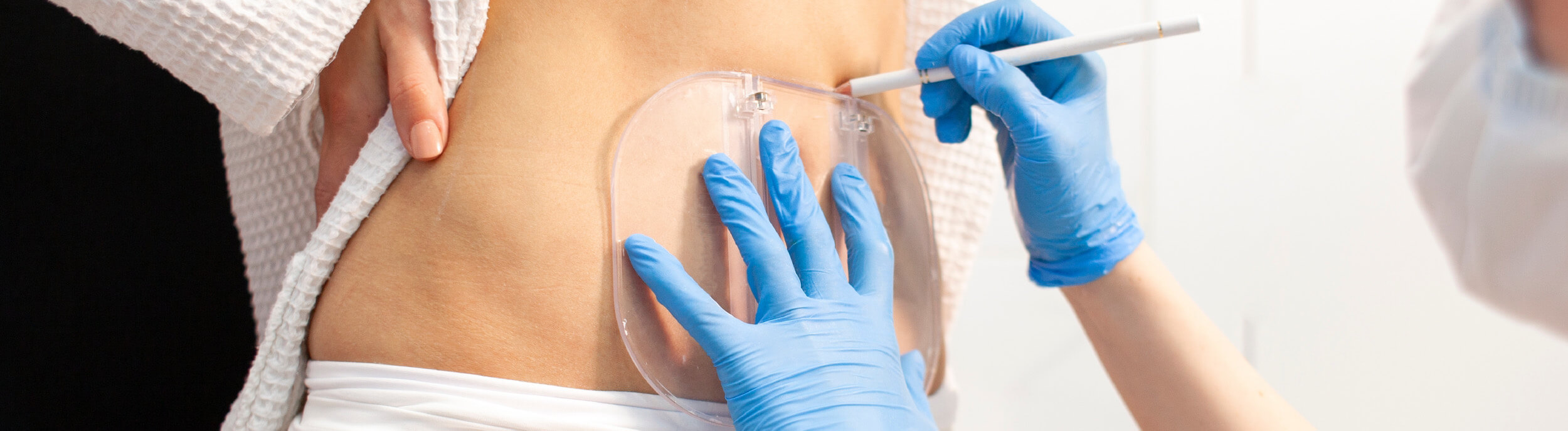
What is VASER liposuction?
This technique allows for precise fat removal with minimal damage to surrounding tissues, resulting in smoother contours.
Article
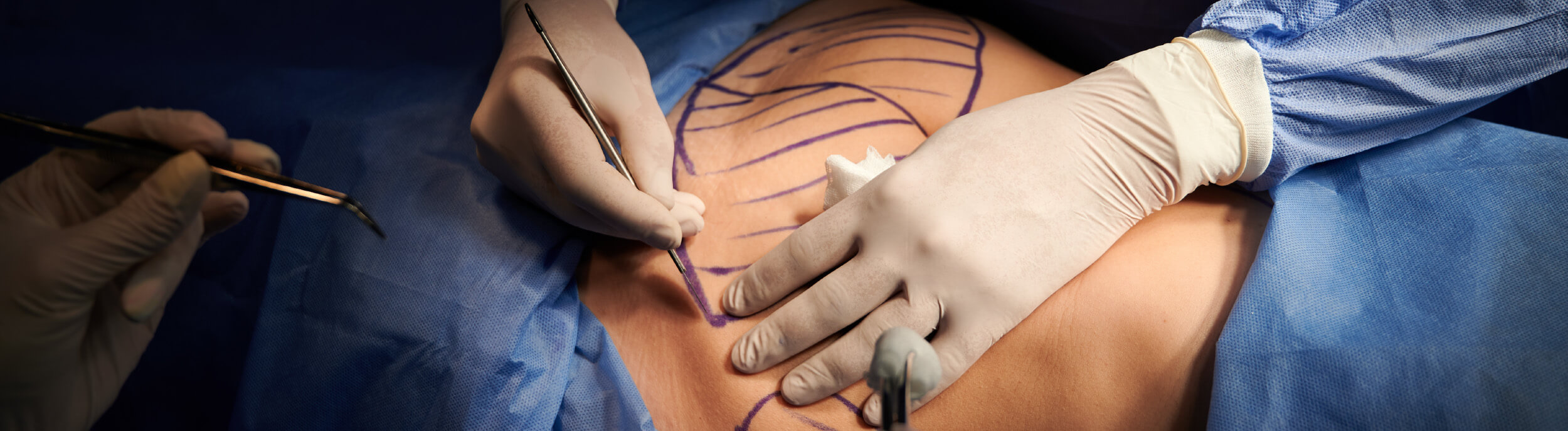
How long does it take to recover from liposuction?
We look at the factors that can influence recovery time and what you can expect during the healing process.

Article
How much fat can liposuction remove?
The American Society of Plastic Surgeons suggests 5 liters as the maximum amount removed in a single treatment.