
Blepharoplasty · Eyelid surgery
Blepharoplasty: Compare practices from our network
Eyelid surgery removes excess skin and fat from the upper or lower lids, refreshing tired eyes and, where vision is obstructed, improving it.
Our network
Blepharoplasty providers from Adoreal's partner network.

London · United Kingdom
iQonic Aesthetics
Eyelid surgery offered alongside forehead lift, facelift and ear surgery.
London · United Kingdom
iQonic Aesthetics
Eyelid surgery offered alongside forehead lift, facelift and ear surgery.
Ready to see who performs blepharoplasty near you?
Compare ProvidersDecision support
How to choose an eyelid surgeon
Board certification is the starting point. The details below are worth weighing carefully when you're choosing the surgeon who's right for your goals.
Here's what to look for before you decide:
A good surgeon checks your brow before operating on your lid.
A heavy upper eyelid is frequently caused by brow descent rather than excess lid skin. Operating on the lid alone in that situation gives a poor result. A surgeon who assesses brow position first is diagnosing properly.
Restraint matters more than removal.
Taking too much upper lid skin causes difficulty closing the eye; too much lower lid fat creates a hollow, aged look. A surgeon who talks about conservative removal is describing good judgment, not timidity.
Dry eye and tear function should be assessed.
Eyelid surgery can worsen pre-existing dry eye. A surgeon who asks about dryness, contact lens tolerance, and previous laser eye surgery is screening for a real and common complication.
Functional and cosmetic goals should be separated clearly.
Where upper lid skin obstructs your vision, the treatment is functional and different funding routes may apply. A practice that identifies this rather than defaulting to a cosmetic pathway is being straightforward.
Ask what they do about lower lid position.
Lower lid surgery risks changing lid position or shape if support is not respected. A surgeon who explains how they preserve or reinforce lid support is thinking about the outcome at a year, not at a week.
Before your consultation, prepare this question
“Is my concern the eyelid itself or my brow position, and how do you avoid overcorrection?”
A heavy upper lid is often a descended brow. A surgeon who checks this before proposing eyelid surgery is diagnosing rather than assuming.
Find a Blepharoplasty ProviderAbout the treatment
About blepharoplasty
Blepharoplasty removes or repositions excess skin, muscle, and fat around the eyes. Upper lid surgery addresses hooding that can obstruct vision; lower lid surgery addresses bags and puffiness beneath the eye.
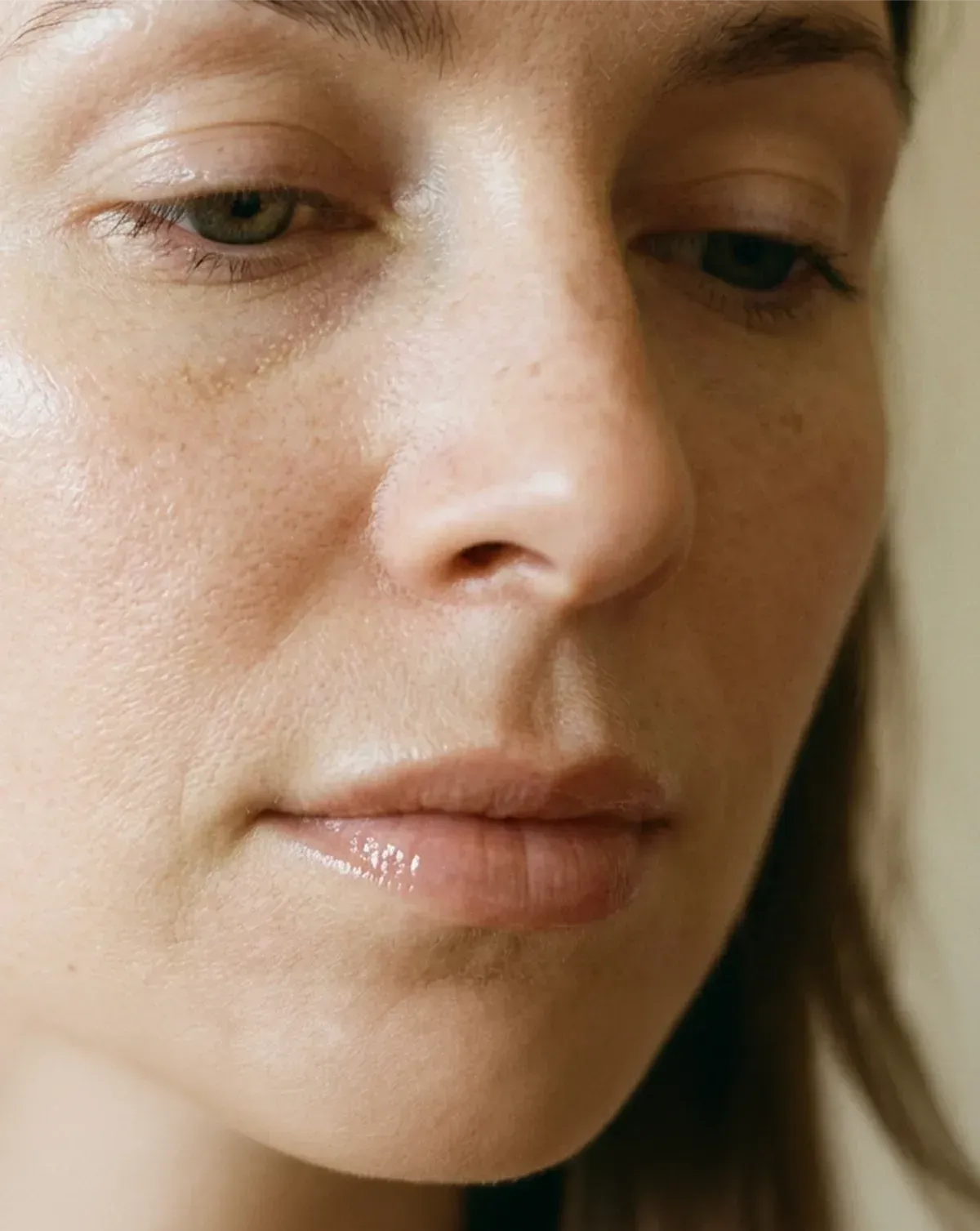
What is blepharoplasty?
Blepharoplasty is surgery on the eyelids. Upper blepharoplasty removes excess skin, and sometimes a small amount of muscle or fat, from the upper lid. Lower blepharoplasty addresses puffiness and bags beneath the eye by removing or repositioning fat and, where needed, tightening skin.
The two are often performed together, and either can be combined with brow or facial surgery.
Upper and lower lid surgery
The two treatments address different concerns:
- Upper blepharoplasty removes hooded skin that can make the eyes look tired and, in more advanced cases, obstruct the upper field of vision. The incision sits in the natural lid crease.
- Lower blepharoplasty reduces or repositions the fat causing under-eye bags. The incision may be just below the lash line or, in some techniques, inside the lid with no external scar.
Are you a candidate?
Eyelid surgery suits people in good health troubled by hooding, puffiness, or obstructed vision. Your surgeon may advise caution if you:
- Have significant dry eye or reduced tear function
- Have a thyroid or eye condition affecting the lids
- Have had recent laser eye surgery
- Are actually troubled by brow descent rather than lid skin
- Smoke, which impairs healing of delicate lid tissue
The treatment, step by step
- Consultation. Your surgeon assesses lid skin, fat, muscle tone, brow position, and tear function, and may arrange a visual field test where vision is obstructed.
- Preparations. Medication adjustments, stopping smoking, and arranging for a week of visible bruising and swelling.
- Anesthesia. Frequently local anesthetic with sedation, particularly for upper lids alone. General anesthesia may be used for combined or more extensive surgery.
- Upper lid work. An incision in the natural crease allows conservative removal of excess skin, and fat or muscle where appropriate.
- Lower lid work. Fat is removed or repositioned to smooth the under-eye hollow, with skin tightened only as much as lid support allows.
- Closing. Very fine sutures close the incisions, sitting in the lid crease or below the lash line where they become difficult to see.
Recovery and aftercare
Bruising and swelling around the eyes are expected and most noticeable in the first week. Sutures are usually removed within a week.
- Use cold compresses in the first days to limit swelling
- Sleep with your head elevated
- Use prescribed lubricating drops or ointment as directed
- Avoid contact lenses, eye makeup, and strenuous activity until cleared
- Wear sunglasses outdoors, as healing lids are sensitive to light and wind
Most patients feel presentable at one to two weeks. Fine swelling and scar redness continue to settle over two to three months.
Risks and side effects
Eyelid surgery is generally safe, but the tissue is delicate and specific risks apply:
- Dry or irritated eyes, common temporarily, and more likely if dryness pre-existed.
- Difficulty fully closing the eye, usually temporary, and a consequence of removing too much skin if persistent.
- Changes in lower lid position or shape, where lid support is not adequately respected.
- Asymmetry between the two sides, as eyes are rarely identical to begin with.
- Visible scarring, uncommon, as incisions sit in natural creases.
- Vision changes, very rare but serious, which is why any change in vision needs urgent review.
When to seek medical attention
- Any change in vision, or loss of vision
- Severe or increasing pain behind the eye
- Rapidly increasing swelling or bleeding
- Fever, or increasing redness and discharge from an incision
Contact your surgeon's practice directly, or seek emergency care, if you experience any of the above.
Common questions
Blepharoplasty questions, answered.
If your question isn't here, ask us directly. A real person answers, and we won't push you toward anything.
Talk to us →Will eyelid surgery fix my heavy, hooded eyes?
Often, but not always. Heaviness is sometimes caused by brow descent rather than excess lid skin. A surgeon should check brow position before recommending lid surgery alone.
Can it improve my vision?
Yes, where upper lid skin obstructs your upper field of vision. In that situation the treatment is functional, and different funding routes may apply depending on your country.
Where will the scars be?
Upper lid incisions sit in the natural crease. Lower lid incisions sit just below the lash line, or inside the lid with no external scar in some techniques.
How long is the recovery?
Bruising and swelling are heaviest in the first week, with sutures out around then. Most people feel presentable at one to two weeks, with fine swelling settling over months.
Will it give me dry eyes?
Temporary dryness is common. If you already have dry eye or have had laser eye surgery, tell your surgeon, as it raises the risk and changes the plan.
Does it treat crow's feet or dark circles?
Not directly. Fine lines around the eyes respond better to injectables or resurfacing, and dark circles often relate to pigment or hollowing rather than excess skin.
How long do results last?
Upper lid results are typically long-lasting, often a decade or more. Lower lid results also endure, though aging continues and volume loss may need addressing separately.
Is it done under general anesthesia?
Often not. Upper lid surgery alone is frequently performed under local anesthetic with sedation. Combined or more extensive surgery may use general anesthesia.
When can I wear makeup and contact lenses again?
Usually once your surgeon confirms the incisions have healed, commonly around two weeks. Follow their specific guidance rather than a general rule.
Can it be combined with other treatments?
Commonly with a brow lift, facelift, or fat transfer. Combining affects anesthesia time and recovery, so discuss it at consultation.

Related treatments





More on blepharoplasty.
Article
How long does it take to recover from blepharoplasty?
Most patients return to normal activities within 10 to 14 days, although complete healing and final results may take several months.
Article
What kind of anesthesia for blepharoplasty?
Local anesthesia is common for blepharoplasty as the treatment is relatively localized and minimally invasive. Mild sedation may also be administered.
Article
How long does eyelid surgery last?
While the treatment delivers noticeable and lasting improvements, it cannot stop the natural effects of aging.